


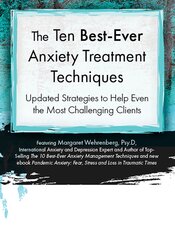
The Ten Best-Ever Anxiety Treatment Techniques
- Average Rating:
- 50
- Speaker:
- Margaret Wehrenberg, PsyD
- Duration:
- 6 Hours 31 Minutes
- Copyright:
-
17 Dec, 2020
- Product Code:
- POS012570
- Media Type:
- Digital Seminar
- Access:
- Never expires.

Description
Helping your clients overcome anxiety is challenging. You’ve tried the common techniques but aren’t confident you applied them correctly and worse, your client is still struggling. If you’re feeling frustrated and unsure of what to do next? Then don’t miss this opportunity! International trainer & author Dr. Margaret Wehrenberg will teach you the 10 Best-Ever Anxiety Techniques and help you master:
- Applying the techniques with difficult cases
- Using the techniques with different age groups
- Treating clients with co-morbid diagnosis
- Options to use with groups and individuals that work in every clinical population
- Applying the neuroscience of memory reconsolidation and the default mode network to create successful exposure therapies and reduce rigid, anxious thought process
This fresh approach will give you a complete set of tools to work with anxiety symptoms. You’ll learn what the latest research has proven and you’ll be confident that you can apply these techniques in clinical practice. Most importantly, Margaret’s pragmatic approach will provide you with practical strategies you can immediately use with all clients.
CPD
Speaker
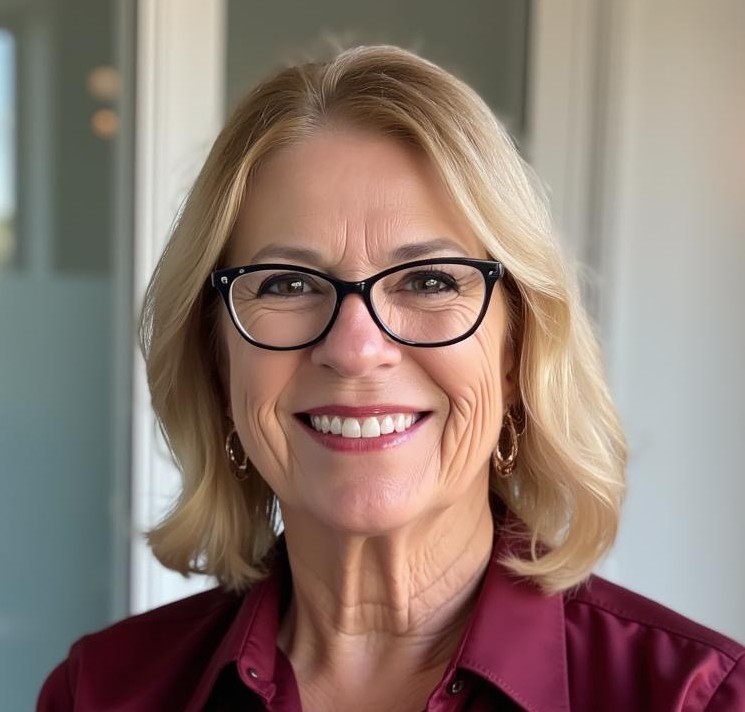
Margaret Wehrenberg, PsyD Related seminars and products
Margaret Wehrenberg, PsyD, is a licensed clinical psychologist whose five decades of work in the mental health field have had a far-reaching impact on the understanding and treatment of anxiety. Her pioneering approach has influenced psychotherapists, business leaders, educators, elected officials, and legal professionals around the world. Dr. Wehrenberg was among the first to translate the emerging science of neurobiology into practical applications for psychotherapy, demonstrating how clinicians can “use the brain to change the brain” in the treatment of anxiety and depression.
Her twelve books have been translated into eight languages. The 10 Best-Ever Anxiety Management Techniques remains an international bestseller. Her newest book, Letting Go of the Work You Love (co-authored with Lynn Grodzki), is the first comprehensive retirement roadmap for healing professionals.
Dr. Wehrenberg’s expertise has been featured in numerous media outlets. She has a deep personal commitment to giving back to the community, providing pro bono consultation to community organizations, school personnel, and attorneys focused on reducing risks related to anxiety, depression, and suicide.
Speaker Disclosures:
Financial: Dr. Margaret Wehrenberg maintains a private practice. She receives royalties as a published author. She is an international presenter and receives compensation. Dr. Wehrenberg receives a speaking honorarium, book royalties, and recording royalties from Psychotherapy Networker and PESI, Inc. She has no relevant financial relationships with ineligible organizations.
Non-financial: Dr. Margaret Wehrenberg is a member of the Anxiety Disorder Association of America.

Objectives
- Determine the neurobiological causes of panic, generalized anxiety, and social anxiety and ascertain how this information impacts treatment decisions.
- Implement strategies for stress management to reduce symptoms of anxiety in clients, including lifestyle changes, cognitive interventions and time management tools.
- Perform effective use of diaphragmatic breathing techniques for physiological modulation in the treatment of anxiety.
- Demonstrate how the process of memory reconsolidation can be utilized to reduce reactivity to trauma cues, including shame trauma, that trigger social anxiety or panic attacks and sets up effective exposures to promote rapid recovery.
- Integrate specific clinical techniques to address persistent worry and understand how this changes the neurobiology of ruminative thought patterns in clients.
- Utilize cognitive therapy interventions with clients to manage perfectionism, procrastination and rigid approaches to problems.
Outline
Neurobiological Basis of Panic, Worry & Anxiety
- Why & how psychotherapy works to “use the brain to change the brain”
- Pragmatic application of neuroscience to provide effective treatment
- Presentation of anxiety when comorbid with depressions
- Identify lifestyle contributions to anxiety
- Impact of cannabis, caffeine, alcohol, tobacco/vaping, sugar
- Physical conditions that mimic panic
- Explore potential uses for medication
- When to refer for medication
- Discontinuing medication under medical guidance
Purpose of Worry
- FOUR reason worry persists and the methods to manage those
- Cognitive interventions to reduce persistent rumination
- Eliminating worry: TWO methods to “contain worry”
Techniques That WORK to Modulate Physiology
- FOUR important lifestyle changes to reduce anxiety
- Treatment approaches that change brain function for long lasting recovery
- Activate the brain’s Default Mode Network (DMN) to increase cognitive flexibility & creative problem solving
- The right way to teach & use diaphragmatic breathing
- Use the Protocol, Predict, Prepare & Plan, to eliminate panic
- Develop the FOUR competencies of stress management
- Eliminate stressors - Impact of constant technology use
- Screen time, gaming, texting
- Respond to new fears created/ exacerbated by social media
- Managing time & environment
- Managing attitude
- Rest & relaxation: Including the powerful Attention Restoration Theory
- Eliminate stressors - Impact of constant technology use
- Use the powerful, science-based protocol for memory reconsolidation to create successful exposures
- Change catastrophic thinking
- Utilize Mindful Awareness techniques to improve social anxiety fear
- Apply the “3 C’s” model to construct treatment for social anxiety
- Employ techniques for mindfulness to improve the response to exposure methods
Techniques for Treating Cognitive Problems of Anxiety & Panic
- The best thought-replacement methods for worry & rumination
- Identify the person with “Too Much Activity”
- Tools to reduce generalized anxiety in the highly active person
- Cognitive approaches that can intervene on anxiety-producing perfectionism and procrastination that interact with Generalized Anxiety Disorder
Techniques for Managing Social Anxiety
- Address the relationship between the desire for significance & social anxiety in Millennials and the iGeneration
- Special considerations for treating different age groups, from children to aging clients
- Identify negative internal dialogue & apply methods from rational emotive therapy to counteract that
- Structure cognitive change through planned “counter-cognitions”
- Construct “In vivo exposure” techniques that optimize recovery from social anxiety at every age
- Utilize Emotional Freedom Techniques & “Tapping In” to diminish anticipatory anxiety
Limitations of the Research & Potential Risks
Target Audience
- Social Workers
- Psychologists
- Counselors
- Marriage and Family Therapists
- Case Managers
- Addiction Counselors
- Therapists
- Nurses
- Psychiatrists
- Other Mental Health Professionals
Reviews
| 5 |
|
| 4 |
|
| 3 |
|
| 2 |
|
| 1 |
|
Overall: 4.8
Total Reviews: 50
Satisfaction Guarantee
Your satisfaction is our goal and our guarantee. Concerns should be addressed to info@pesi.co.uk or call 01235847393.
Please wait ...