


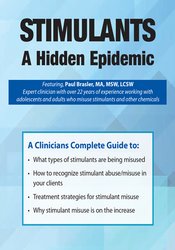
Stimulants: A Hidden Epidemic
- Average Rating:
- Not yet rated
- Speaker:
- Paul Brasler, LCSW, CAIMHP
- Duration:
- 2 Hours 46 Minutes
- Format:
- Audio and Video
- Copyright:
-
25 Oct, 2019
- Product Code:
- POS055575
- Media Type:
- Digital Seminar
- Access:
- Never expires.

Description
As many communities focus on the current opioid crisis, we have seen an alarming rise in people using cocaine, methamphetamines and designer stimulants like “Bath Salts.”
The misuse of these chemicals, including a surge in the use of stimulants among people being treated for opioid use disorder, has largely gone unnoticed. And yes, people die every day from mis-using stimulants, whether it’s sharing another person’s prescription or using methamphetamine.
Stimulants are everywhere, in energy drinks, prescription medications and illicit chemicals. Because of their prevalence, clinicians need to be equipped to recognize stimulant misuse and effectively intervene with their clients.
All mental health clinicians, not just those working in substance use treatment, need to be aware of stimulant misuse, the various chemicals mis-used and ways to treat these clients.
Paul Brasler has over 22 years of experience in working with adolescents and adults who misuse stimulants and other chemicals.
Watch Paul as he helps you better understand clients who misuse stimulants and the ways you can confidently help your clients.
In this recording and you’ll learn:
- What types of stimulants are being misused
- How to recognize stimulant abuse/misuse in your clients
- Treatment strategies for stimulant misuse
- Why stimulant misuse is on the increase
CPD
Speaker
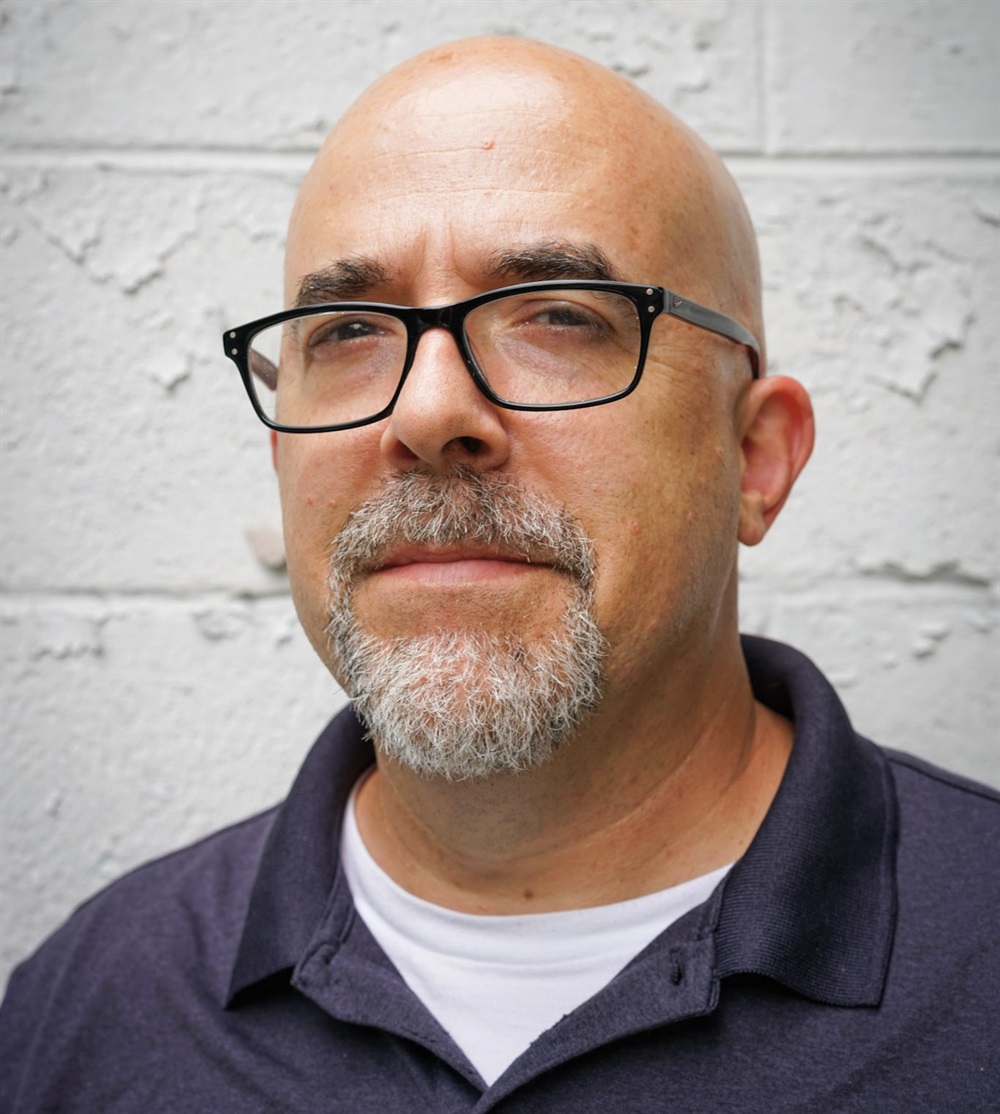
Paul Brasler, LCSW, CAIMHP Related seminars and products
Paul Brasler, LCSW, CAIMHP, became a licensed clinical social worker in 2002. Paul is the coordinator for the Chesterfield County (Virginia) Employee Behavioral Health Program, through which he and his team provide clinical services to first responders and human services personnel. He has extensive experience working with people in crisis and people living with substance use disorders, including adolescent residential treatment, community mental health settings, hospital emergency departments, juvenile drug court, and private practice.
Paul has been a national presenter (through PESI) since 2016, and he has presented classes across the country on mental health emergencies, high-risk clients, resiliency, and a certification course for clinicians working with people with substance use disorders. He has written three books: The Clinician’s Guide to Suicide Management, PESI Publishing, 2025; The Clinician’s Guide to Substance Use Disorder, PESI Publishing, 2022; and High-Risk Clients, PESI Publishing, 2019. Paul lives in Richmond, Virginia, with his beautiful wife, three sons, cowardly dog, and two dwarf rabbits who are quietly plotting to destroy the world.
Speaker Disclosures:
Financial: Paul Brasler maintains a private practice and has an employment relationship with Chesterfield County. He receives a speaking honorarium, recording, and book royalties from Psychotherapy Networker and PESI, Inc. He has no relevant financial relationships with ineligible organizations.
Non-financial: Paul Brasler has no relevant non-financial relationships.
Objectives
- Learn the signs and symptoms of stimulant misuse and how to identify them in your clients.
- Understand the wide variety of stimulants, including the differences between legal and illicit stimulants.
- Develop an understanding of the lived experience of stimulant addiction and why it is so difficult to stop using cocaine, methamphetamine (and even caffeine).
- Become proficient at selecting the right treatment for your clients struggling with stimulant misuse.
Outline
The Scope and Extent of the Problem
- Epidemiology and trends
- What are people using?
- Cocaine
- Amphetamines
- Methamphetamine
- “Bath Salts”
- Nicotine
- Caffeine
- …and others…
- Who is using stimulants?
- Prescriptions v. street drugs – what’s the difference?
The Neurobiology of Stimulant Use
- The drive to use How addiction hijacks the brain
- Why it’s hard to quit
- Behavioural effects
- Psychological effects
Identification and Assessment: What to Look for in Session and Beyond
- Top 10 signs of stimulant misuse
- Co-occurring disorders
- Mood disorders (bipolar disorders and depressive disorders)
- Post-Traumatic Stress Disorder
- Psychotic disorders
- Personality disorders
- Disorders diagnosed in childhood (conduct disorder, Attention Deficit Hyperactivity Disorder)
Treatment Techniques You Need to Know
- Psychoeducation
- Pharmacology
- Psychotherapy
- Individual counselling strategies
- Group counselling strategies
- Peer support
Target Audience
- Social Workers
- Psychologists
- Counselors
- Teachers
- School Administrators
- Marriage & Family Therapists
- Case Managers
- Addiction Counselors
- Therapists
- Nurses
- Other Mental Health Professionals
Reviews
Satisfaction Guarantee
Your satisfaction is our goal and our guarantee. Concerns should be addressed to info@pesi.co.uk or call 01235847393.
Please wait ...