


Helping Anxious Loved Ones: Clinical Strategies for Families and Couples
- Average Rating:
- Not yet rated
- Speaker:
- Margaret Wehrenberg, PsyD
- Duration:
- 1 Hour 30 Minutes
- Format:
- Audio and Video
- Copyright:
-
02 Dec, 2022
- Product Code:
- POS059207
- Media Type:
- Digital Seminar
- Access:
- Never expires.

Description
Your anxious client needs relief, and they want it now! Meanwhile, their family members are becoming increasingly frustrated by the paralysis their fear causes and their relationships begin to fracture. You’ve hit a dead-end, with each party arguing that the other should just “let it go” or “you’re not taking me seriously.” You need the tools to help your clients grasp the impact of their anxiety on relationships and balance loved one’s concern for the anxious family member against the negativity of anxiety and their outright annoyance at living with anxiety on a daily basis. This recorded session with best-selling author Dr. Margaret Wehrenberg will discuss pragmatic approaches like the principle of “Right Reassurance” to reduce the impact of anxiety while the anxious client is still in the process of treating their anxiety.
You’ll learn:
- Methods for showing clients how to ask for help that keeps their autonomy and responsibility for their emotions and behaviour
- To teach clients and their family/friends the language of helpful calming and how to describe the source of annoyance with anxiety while still supporting the anxious client
- How parents can model anxiety to their children and how spouses can mitigate the impact of parental worry
This is your chance to not only help your client get control of their anxiety, but empower their loved ones to support them as well.
CPD
Speaker
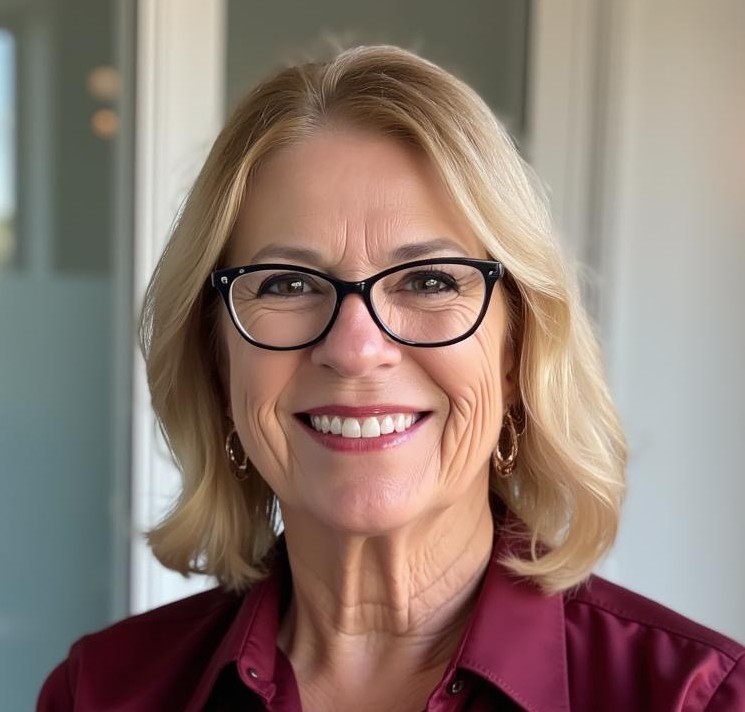
Margaret Wehrenberg, PsyD Related seminars and products
Margaret Wehrenberg, PsyD, is a licensed clinical psychologist whose five decades of work in the mental health field have had a far-reaching impact on the understanding and treatment of anxiety. Her pioneering approach has influenced psychotherapists, business leaders, educators, elected officials, and legal professionals around the world. Dr. Wehrenberg was among the first to translate the emerging science of neurobiology into practical applications for psychotherapy, demonstrating how clinicians can “use the brain to change the brain” in the treatment of anxiety and depression.
Her twelve books have been translated into eight languages. The 10 Best-Ever Anxiety Management Techniques remains an international bestseller. Her newest book, Letting Go of the Work You Love (co-authored with Lynn Grodzki), is the first comprehensive retirement roadmap for healing professionals.
Dr. Wehrenberg’s expertise has been featured in numerous media outlets. She has a deep personal commitment to giving back to the community, providing pro bono consultation to community organizations, school personnel, and attorneys focused on reducing risks related to anxiety, depression, and suicide.
Speaker Disclosures:
Financial: Dr. Margaret Wehrenberg maintains a private practice. She receives royalties as a published author. She is an international presenter and receives compensation. Dr. Wehrenberg receives a speaking honorarium, book royalties, and recording royalties from Psychotherapy Networker and PESI, Inc. She has no relevant financial relationships with ineligible organizations.
Non-financial: Dr. Margaret Wehrenberg is a member of the Anxiety Disorder Association of America.

Objectives
- Effectively apply and teach to clients the principle of giving the ‘right reassurance’ to spouses, partner and parents of anxious clients.
- Guide clients to teach their partners and friends how to step in to reduce worry without raising their own alarm.
- Teach an anxious parent to avoid modelling anxiety while containing their own worry.
Outline
- Anxious People need relief! And they want it now! Helping clients grasp the impact of their anxiety on relationships and learn to utilize the principle of “Right Reassurance”
- Help family and friends describe the source of annoyance with anxiety while still supporting the anxious client
- Help them to help without taking over. Teach clients and their family/friends the language of helpful calming, including teaching clients how to ask for help that keeps their autonomy and responsibility for their emotions and behaviour
- Types of anxiety that are the hardest to handle
- Helping clients and partners/friends deal with health anxiety without giving in to fear
- Anxiety about safety, e.g., virus protection, and its impact on life within the family
- Social anxiety – when one spouse significantly limits the avenues for social activity and engagement
- Getting agreement between parents to deal with parental modelling of anxiety and parental responses to anxiety
- Parents can model anxiety to their children. How to help spouses mitigate the impact of parental worry
- How to support the anxious parent without letting anxiety about safety of the children limits their activities in their world
Target Audience
- Counselors
- Marriage & Family Therapists
- Physicians
- Psychologists
- Speech-Language Pathologists
- Social Workers
- Other Mental Health Professionals
Reviews
Satisfaction Guarantee
Your satisfaction is our goal and our guarantee. Concerns should be addressed to info@pesi.co.uk or call 01235847393.
Please wait ...