Please wait ...

This course includes
  • Instant access to all 17 comprehensive modules
  • Leading specialists with combined lived and clinical experience
  • Up to 34.75 CPD hours
  • Digital display badge on completion to demonstrate your expertise

Usually £1,227.86

ONLY £478.80 TODAY!
Neurodiversity and Trauma
Neuro-affirmative Perspectives, Strengths-Based Approaches and Trauma-Informed Practices for Working with Autistic, ADHD, AuDHD and Other Neurodivergent Clients

Usually £1,227.86 Just £478.80 Today!
Plus, earn up to 34.75 CPD Hours included in the course tuition.
Click here for CPD details | Click here for course objectives and outline
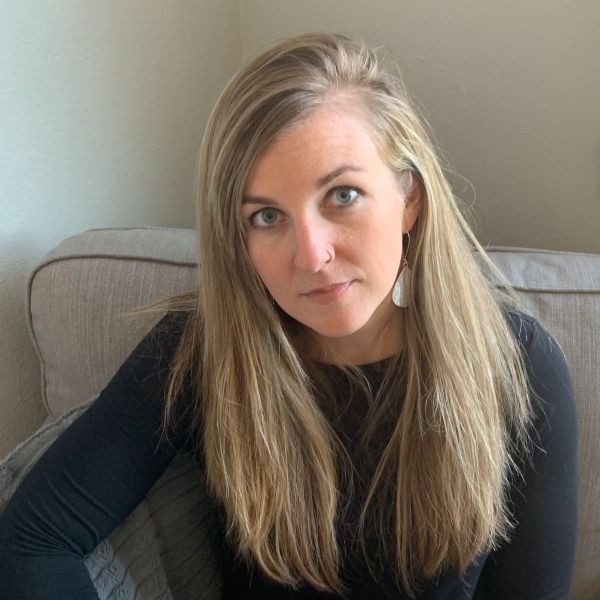
Dr Megan Anna Neff
"When we anticipate neurodivergent clients and create environments that work for them, we send a powerful message: we expect you to be here and you belong."

Dr Megan Anna Neff

You'll join ten industry-leading neurodiversity and trauma specialists from the UK and US with combined lived and clinical experience. They'll guide you step-by-step through everything you'll need to:

  • Understand where trauma and neurodivergence overlap and interplay — so you can avoid misdiagnosis, missed diagnosis and pathologising difference
  • Develop a sensory lens to collaboratively support safety and stabilisation
  • Mobilise strengths that come with experiencing the world differently — without minimising challenges and reinforcing cycles of masking, shame, and disconnection
  • Integrate somatic, creative, cognitive, and parts-based approaches in trauma work adapted for neurodivergence
  • Help clients navigate formal assessments and support self-discovery
  • Spot and respond to neurodivergent suicidality and burnout
  • Offer neuro-affirmative approaches to post-traumatic growth
  • PLUS! If you're a neurodivergent practitioner, personal tips on navigating the neurodiversity and trauma landscape and owning your strengths.

You'll discover how to avoid the all-too common pitfalls of misattunement, invalidation and re-traumatisation...

... so you can help your autistic, ADHD, AuDHD, and other neurodivergent clients find their own unique paths through minority stress and trauma into self-understanding, healing and belonging.

Neurodiversity and Trauma
Neuro-affirmative Perspectives, Strengths-Based Approaches and Trauma-Informed Practices for Working with Autistic, ADHD, AuDHD and Other Neurodivergent Clients

Usually £1,227.86 Just £478.80 Today!
Plus, earn up to 34.75 CPD Hours included in the course tuition.
Click here for CPD details | Click here for course objectives and outline
Neurodiversity and Trauma Certificate Outline
PART 1 | Understanding and Embracing Neurodiversity: The Paradigm Shift

The expanding neurodiversity paradigm is shining a bright new light on the myriad issues that bring clients to your door — especially trauma.

Embrace this powerful reframe while still reckoning with the DSM, so you can navigate today's shifting clinical landscape with real knowledge and integrity.

You'll get grounding in the science, theory and lived experience behind the transformative neuro-affirmative approaches you're about to encounter — ensuring you avoid unethically misleading clients with 'neurodiversity-lite.'

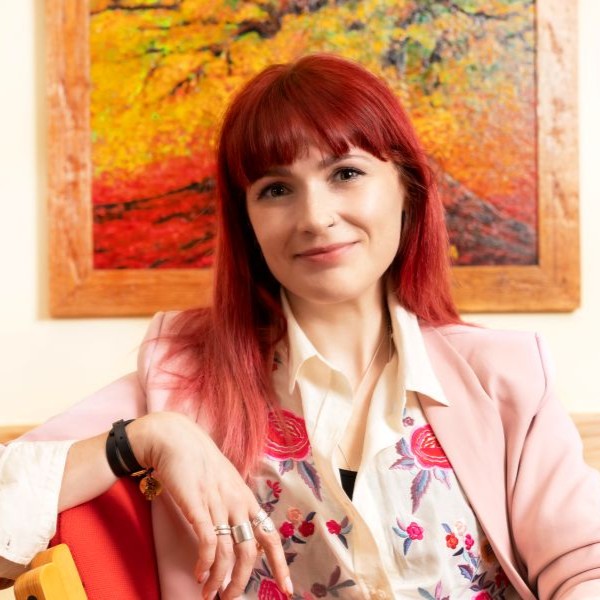
Dr Ruth Millman
"People are told a service is neuro-affirming and they then experience discrimination. They can feel, 'It must be me. I must be the reason why this isn't feeling safe'. That's an experience many, many people have shared with me.

Dr Ruth Millman
 

Grasp the foundational ideas at the heart of the neurodiversity movement. In this comprehensive introduction to both the expanding neurodiversity movement and the enduring DSM medical model, you'll learn:

  • The evolving language of neurodiversity including debates about 'labels'
  • Key characteristics of autism and ADHD within a neurodivergent 'umbrella'
  • Standard diagnostic criteria — and how they miss the point
  • Relevant science including genetics, neurobiology and immune functioning
  • Ways to avoid overt discrimination and subtle ableism in your practice
  • How to embrace the 'golden rule' of neurodiversity

Join Dr Joel Schwartz, clinical psychologist, ADHD-er and specialist in neuro-affirmative assessments, to anchor your practice in leading-edge theory and respect for lived experience.
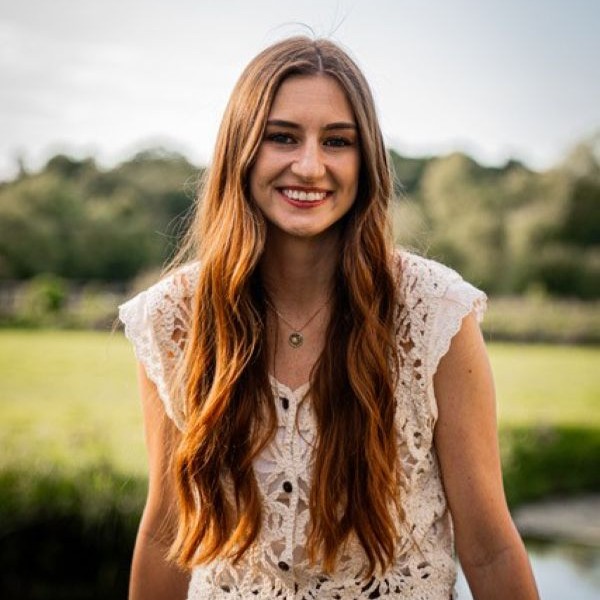
 

Dive deeper into models that de-pathologise neurodivergence. Develop your understanding of how different clients may engage with the world — and with your therapy — as you discover:

  • The history of diagnostic terms including autism, ADHD and dyspraxia
  • Key frameworks and terminology including the double empathy problem, monotropism and polytropism, diversity in social intelligence, predictive processing theory, the social model of disability and neuroqueer theory
  • Why your clients need you to go beyond 'spectrum thinking'
  • How systemic and environmental factors shape neurodivergent experience
  • Ways to support neurodivergent clients that affirm identity, respect sensory and communication differences, and centre lived experience

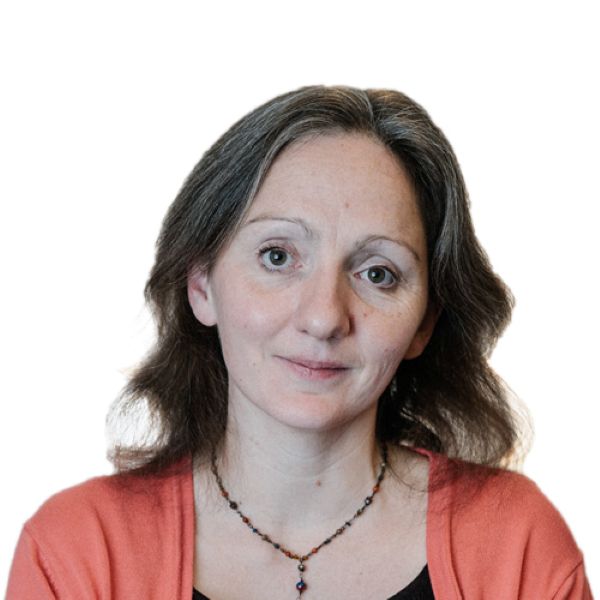
Join neurodivergent practitioners Dr Ruth Millman and Danny van Deurzen-Smith to consider how therapy itself can act as a neurotypical structure — and avoid the pitfalls of 'neurodiversity-lite' practice.


Harmful myths about autism and ADHD run deep — including mistaking cognitive and communication differences with laziness and lack of empathy. By centering the strengths, challenges and insights of neurodivergent practitioners themselves, this module will help you:

  • Watch out for ways we can unconsciously uphold stereotypes when relating to neurodivergent clients, colleagues, or ourselves
  • Address how masking, conformity and over-functioning can get reinforced in training and supervision — and mistaken for 'progress' in therapy
  • Celebrate creative thinking, interdependence, emotional honesty and sense of justice
  • Reframe what it means to be competent, professional, regulated or 'in relationship'

Rejoin Dr Ruth Millman and Danny van Deurzen-Smith to discover how dismantling neuro-normative myths — including sociocultural norms around 'functioning' and 'productivity' — can transform therapy for all of us, not just neurodivergent clients and therapists.


PART 2 | Neurodivergence and Trauma: A Double Vulnerability?

Neurodivergent clients aren't just more likely to have experienced trauma... they're often re-traumatised by the very mental health systems intended to help.

Become the practitioner who can break this cycle and build deep trust. Part 2 dives into the complex interplay between trauma and autism, ADHD and other forms of neurodivergence.

You'll gain powerful frameworks for navigating areas of diagnostic confusion, tools for addressing traumatic invalidation, and strategies for recognising and responding to neurodivergent burnout and suicidality.

Become the clinician who heals, rather than triggers your neurodivergent clients.

Dr Cloie Parfitt
"Neurodivergent people are the canaries in the coalmine. When the environment is too loud, too fast, too disconnected or too harsh, we feel it first and carry the emotional cost. We label the canary as broken instead of looking at the air it's breathing."

Dr Cloie Parfitt
 

When it comes to neurodivergence and trauma, diagnosis is a minefield. Conditions overlap and influence each other. Chronic issues become part of the neurological system. Related health conditions further complicate the picture. In this module, you'll gain a framework for navigating this challenging clinical terrain with a focus on your client's needs, not distinct diagnostic categories. You'll learn all about:

  • Common areas of diagnostic confusion, including ADHD, bipolar and BPD/EUPD, autism, OCD and C-PTSD
  • Diagnostic overlap, diagnostic overshadowing and diagnostic dismissal
  • Health conditions associated with neurodivergence, including fibromyalgia, epilepsy, Ehlers Danlos, POTS and gastrointestinal disorders
  • Other neurodivergent experiences including dyspraxia and plural systems
  • Applications of the Psychodynamic Diagnostic Manual (PDM-3) when working compassionately with personality “stuff”

Rejoin Dr Joel Schwartz to develop a multi-dimensional understanding of your client's difficulties, anchored in attention to and respect for their inner experience.


Being neurodivergent isn't traumatic in and of itself. What can be traumatic is being forced to navigate a world not built with your needs in mind — a world that then judges you 'too intense', 'too sensitive', 'too reactive'. Often, what looks like 'dysfunction' is somebody without support and safety doing their best to survive. In module 2, you'll learn to:

  • Intervene to break the often invisible cycle of masking-shame-disconnection
  • Apply neurodiversity-affirming, trauma-informed principles to reduce risk of re-traumatisation
  • Recognise sensory overload, social exclusion and shutdown as trauma responses
  • Understand the purpose and the personal cost of masking, people-pleasing and over-functioning

Join Dr Cloie Parfitt, neurodivergent psychotherapist and researcher, to understand how chronic misattunement, masking and systemic invalidation shape the survival responses of neurodivergent clients — and help them begin to ask, “Who am I when I stop shrinking to fit?”


For neurodivergent clients the concept of 'traumatic invalidation' can be the missing link that gives language to invisible, identity-deep wounds — and points the way to healing. In this module, we dive deeper into neurodivergent experiences of being repeatedly overlooked or misunderstood. You'll discover:

  • Frameworks for understanding how invalidation hardens into core beliefs and schemas
  • The four pathways to emotional processing — and how emotion becomes something to fear
  • Tools and techniques to foster self-trust, self-compassion, and emotional repair
  • Strategies to help clients reframe and re-narrate past experiences — from "what's wrong with me?" to "what was I needing?"
  • A neuro-affirmative approach to risk and safety planning

Join Dr Megan Anna Neff, AuDHDer and clinical psychologist, for a fuller picture of how invalidation shows up across systems and relationships, and how to work with the resulting hypervigilance, emotional dysregulation and difficulty in self-trust.


Recognising hidden distress is a critical skill in neuro-affirmative practice. When clients are on the brink of mental and physical collapse, cultural expectations around productivity and performance can increase shame and block access to rest, support and self-compassion. In this module, you'll discover how to:

  • Spot early signs of neurodivergent burnout and suicide risk that may be masked or minimised
  • Distinguish burnout from depression or regression
  • Navigate risk points including transitions and loss of routine
  • Identify simple, nourishing practices that feel accessible, even in deep burnout
  • Engage clients' special interests as resources and lifelines
  • Help clients reclaim the right to rest

Rejoin Dr Cloie Parfitt to explore the factors contributing to chronic overwhelm in neurodivergent lives, and prepare yourself to prevent or respond to burnout in clinical practice.


PART 3 | Access First: Cultivating a Neuro-Affirmative Practice

Safety and stabilisation is the foundation of trauma work. Yet neurodivergent clients can't begin to feel safe if their basic needs are overlooked or invalidated.

Part 3 focuses on embedding neuro-affirmative access in any practice or service, ensuring neurodivergent clients feel anticipated — not excluded, or merely accommodated.

You'll develop a 'sensory lens' and discover simple adjustments you can make right away, so you can break down hidden barriers to trust, regulation and engagement.

Dr Megan Anna Neff
"Start small, stay curious, and let your authentic relational presence be at the heart of this work."

Dr Megan Anna Neff
 

Uncover key barriers that neurodivergent clients face in traditional therapy settings, including sensory overwhelm and masked communication — and discover simple ways to embed access in your practice from the start. You'll find out how to:

  • Apply the SPACE framework to create a therapy environment that supports safety and connection
  • Create a clear and predictable frame to enhance executive functioning, reduce anxiety and improve engagement
  • Support diverse communication styles, processing speeds and expressive modes
  • Use collaborative approaches to honour client autonomy and acknowledge relational dynamics

Rejoin Dr Megan Anna Neff to learn practical strategies to reduce barriers, build trust, and foster authentic self-expression, so neurodivergent clients feel welcomed and validated.


Sensory regulation comes before emotional regulation. Yet many neurodivergent clients have learned to place a distance between themselves and their true sensory experiences, whether through disconnecting from the body or masking. In this module you'll learn:

  • Why sensory work is psychological work — and can unlock deeper emotional insight
  • How sensory profiling can help clients identify and communicate sensory preferences, triggers, soothers and supports
  • Ways to discuss clients' sensory needs with clarity and confidence
  • Concrete resources to support regulation, self-advocacy and safety

Rejoin Dr Megan Anna Neff to discover why a sensory lens is the key missing link in many mental health trainings — and how shifting your focus from emotion regulation to whole-body attunement can lay the ground for deeper psychological work.


PART 4 | Exploring Neurodivergence:
Screening Tools, Assessment and Self-Discovery

A positive conversation about potential neurodivergence can transform trauma into growth. But enduring stigma, persistent misinformation and barriers to formal assessment mean many clients are being denied vital self-understanding.

Part 4 gives you in-depth knowledge of the UK assessment process — plus tools to help clients with communication and processing differences explore and share their inner worlds.

Become the therapist who can confidently raise or respond to the topic of neurodivergence, and guide clients through both diagnosis and self-discovery — so that breakdown can become breakthrough.

Dr Emma Bede
"In the UK at the moment there is a narrative around over-diagnosis — 'they've seen one social media video and now they think they're autistic.'' My experience of people raising the question in therapy, and seeking assessment, is absolutely the opposite."

Dr Emma Bede
 

Neurodivergent clients may struggle to identify or articulate emotions. When we rely on traditional 'feeling-wheel' based approaches, we run the risk of entrenching relational distance and deepening frustration and shame. In this module, you'll pick up practical tools for exploring inner experience and supporting emotional awareness. You'll gain:

  • Screening and assessment tools for identifying interoceptive differences and alexithymic traits
  • Guidance on interpreting scores and collaboratively integrating findings
  • Measures and exercises to support self-understanding, regulation and advocacy, including the Stimulus Window, Emotion Matrix and Self-Disclosure Thermometer
  • Emotion-focused and sensory-informed interventions that focus on grounding, pacing, embodied curiosity and sensory-emotional mapping

Rejoin Dr Megan Anna Neff to discover how screening measures can double as therapeutic interventions, building a shared language and understanding of the client's inner world that will scaffold the rest of your work together — in a way that truly makes sense to them.


Clients are increasingly asking their therapists about assessment. Therapists may also be wondering how to raise the question themselves. In a dramatically shifting clinical and cultural landscape, this module will increase your confidence in discussing possible neurodivergence with undiagnosed clients and supporting them through a formal assessment. You'll learn how to:

  • Introduce the possibility of neurodivergence with clients
  • Support clients through a formal assessment process for autism and/or ADHD — including deciding whether to pursue diagnosis
  • Work with psychological and emotional dimensions of the assessment process
  • Consider the impact on clients' relationships, including the therapeutic relationship
  • Make decisions about ongoing therapeutic work in the light of a client's new self-understanding

Join Dr Emma Bede, a neurodivergent clinical psychologist specialising in diagnostic assessments for autism and ADHD, for a clear and comprehensive guide to the UK assessment process that will help you grasp the therapeutic implications and opportunities.


PART 5 | Creative, Somatic, Cognitive, and Parts-Based Approaches to Neuro-affirmative Trauma Work

Encounter transformative strengths-based approaches to working with neurodivergent bodies, brains and minds — and incorporate them directly into your own practice.

Neurodivergent practitioners are at the leading-edge in adapting trauma-informed and trauma-focused practices. Part 5 introduces you to neuro-affirmative principles and interventions from Art Therapy, Internal Family Systems (IFS) Therapy, I-CBT, Trauma-Informed Yoga and breathwork — so you can help neurodivergent clients to regulate, reduce overwhelm, process trauma, and break free of OCD.

Sarah Haywood
"Words are not required in art therapy. We can work with the unsayable, the unnameable, the unbearable, and the taboo, and do that without ever having to name those experiences."

Dr. Sarah Haywood
 

Art therapy is one of the therapeutic supports that neurodivergent individuals say they are most likely to opt for. Creative interventions can also help us safely reach places that other therapies cannot. In this module, you'll discover how creative processes can support a phased approach to trauma work. You'll learn:

  • Why art therapy can be such a good fit for neurodivergent trauma clients
  • Confidence to incorporate creative approaches within your own modality
  • Ways to work safely and effectively with mark-making and images, including online
  • Tips on art materials for clients who may struggle to 'get going'
  • Key ideas around sensory experience, synaesthesia, monotropism, flow states and 'neuro-emergent time'
  • Tips on ethics, self-care and exploring your own relationship with mess

Join Dr Sarah Haywood, autistic Art Therapist and specialist in art therapy supervision, to integrate creative approaches into safety and stabilisation work, trauma processing, and integration — and learn how art therapy can be 'queered' to better support innately neurodivergent people.


What does it look and feel like to 'bring in the body' in therapy — and where should we begin with neurodivergent clients? Delivered by a neurodivergent psychotherapist and trauma-informed yoga instructor, this module will give you the confidence to notice moments where you can integrate somatic tools into your current trauma-focused or trauma-informed practice. You'll learn how to:

  • Introduce somatic tools safely and with shame sensitivity
  • Choose between breathing exercises that target hyperarousal, hypoarousal or stimulate the vagus nerve
  • Incorporate trauma-informed yoga sequences — in-person and online
  • Apply a neuro-affirmative and trauma-informed lens to exercise including blocks, motivators and pitfalls
  • Integrate an understanding of the role of fascia in mental health and trauma
  • Develop your own sense of embodiment as a neurodivergent or neuro-typical practitioner

Join Lorna Evans for a practical and experiential guide to sharing the science of the autonomic nervous system with neurodivergent clients and incorporating body, breath and movement within your own modality, in-person or online.


Autistic people often thrive in predictable environments, while living in an overwhelming and uncertain world can trigger a threat response. In this module, you'll discover how integrating Internal Family Systems with the latest neuroscience can illuminate and shift work with autistic clients. You'll learn:

  • Key predictive processing features in autism
  • How responses to sensory stimuli, routine change and uncertainty can manifest as difficulties with communication, socialising and shutdown
  • Powerful ways to tailor core IFS concepts with autistic clients
  • Applications of Polyvagal Theory to threat detection in the autistic nervous system
  • How to use the Regulate, Relabel and Rewire protocol to reduce arousal

Join Sarah Bergenfield, autistic Level 3 IFS Practitioner, to get to know autism as an 'embodied condition of sensory surplus' — and adapt the fundamentals of IFS therapy for autistic brains, bodies and minds.


When neurodivergence and trauma are in the clinical picture, OCD is often close behind. In this module, you'll encounter a neuro-affirmative adaption of Inference-Based Cognitive Behavioural Therapy, which grasps the crucial link between neurodivergent experiences and the development of obsessional stories. You'll learn:

  • Areas of overlap and interplay between OCD, autism and ADHD
  • How trauma and neurodivergent traits including rejection sensitivity dysphoria, social justice and sensory processing differences contribute to OCD
  • Why early compliance-based environments increase vulnerability to OCD doubt
  • The link between chronic masking and 'the feared self'
  • Sensory strategies to help neurodivergent clients with OCD gain self-certainty
  • Neuro-affirmative insights into obsessional stories related to harm, contamination, perfectionism, health and responsibility

Join Brittany Goff, neurodivergent creator of the first I-CBT workbook, for this introduction to a transformative new way of helping neurodivergent clients find relief from OCD.


PART 6 | Towards Neurodivergent Thriving: (Re)Connection and Belonging

Restore trust, re-story shame and help your neurodivergent clients re-claim sources of joy. This final part is all about reconnection and integration. You'll discover how your new neuro-affirmative lens illuminates the third stage of trauma work. Support neurodivergent clients in work, social and relationship contexts as they integrate new self-knowledge, pursue connection, and find belonging — at their own pace, and in their own unique way.

Danny van Deurzen-Smith
"The work might be about claiming our own complexity and our un-sanitised strangeness, which has been a real block to being able to fully experience ourselves in the world."

Danny van Deurzen-Smith
 

As clients come to acknowledge and integrate a neurodivergent identity, therapy can support a profound process of re-storying and reconnection — especially after late diagnosis. In our penultimate module, you'll draw on the wisdom of neuroqueer thinkers and practitioners to discover:

  • Practical insights into supporting clients on this non-linear journey
  • Tips for both honouring grief and celebrating growth
  • Ways to help clients reclaim agency through values-led choices
  • The place of authentic connection and non-traditional relationships
  • How special interests and sensory experiences such as stimming can contribute to joy and meaning

Rejoin Dr Ruth Millman and Danny van Deurzen-Smith to learn how to hold space for the complexity of integrating a newly understood identity — transforming narratives of shame and isolation into stories of resilience, self-compassion, and empowerment.


At the heart of trauma is a profound sense of isolation. For many neurodivergent individuals, loneliness is a more common, and more acute, experience. In our final module, you'll revisit the relational impact of trauma on neurodivergent clients and explore diverse and accessible pathways to connection. You'll learn how to:

  • Avoid compromising connection through your urgency or attachment to outcomes
  • Embrace opportunities for relational repair
  • Encourage clients to explore what feels like connection — not just what looks like it — including validating online spaces
  • Use the therapeutic relationship to model neuro-affirmative connection and co-regulation
  • Support self-advocacy, unmasking and social empowerment while respecting pacing and autonomy

Rejoin Dr Cloie Parfitt for a final inspiring session focused on supporting clients to rebuild relational safety and move toward connection — one safe step at a time.


Neurodiversity and Trauma
Neuro-affirmative Perspectives, Strengths-Based Approaches and Trauma-Informed Practices for Working with Autistic, ADHD, AuDHD and Other Neurodivergent Clients

Usually £1,227.86 Just £478.80 Today!
Plus, earn up to 34.75 CPD Hours included in the course tuition.
Click here for CPD details | Click here for course objectives and outline

Meet the Speakers

Dr Megan Anna Neff

Dr Megan Anna Neff is a clinical psychologist and founder of Neurodivergent Insights. After discovering her own neurodivergence aged 37, she became passionate about raising awareness of non-stereotypical presentations of autism and ADHD. Through Neurodivergent Insights, she creates educational and wellness resources for the neurodivergent community, while co-hosting the Divergent Conversations podcast. Dr. Neff is a regular contributor to Psychology Today and is the author of Self-Care for Autistic People and The Autistic Burnout Workbook.

Click here for information about Megan Anna Neff

Dr Ruth Millman

Dr Ruth Millman is a neuroqueer counselling psychologist and psychotherapist. They have been working with neurodivergent individuals for 20 years within social care, health care, and the charity sector. Dr Millman works in private practice, supporting individuals, couples and families, and is also the co-director of Neuroprosperity (CIC). They have a particular focus on supporting LGBTQIA+ neurodivergent individuals and run online support groups as part of the Dilemma Consultancy. Dr Millman also teaches on the postgraduate programmes in Neurodivergence at The New School of Counselling and Psychotherapy.

Click here for information about Ruth Millman

Danny van Deurzen-Smith

Danny van Deurzen-Smith is an existential coach specialising in working with autistic and LGBTQ+ individuals. They are Deputy Principal at the New School of Psychotherapy and Counselling, from which they have an MA in Existential Coaching. Deurzen-Smith has published several articles in the Journal for the Society of Existential Analysis and spoken at various conferences including the First World Congress of Existential Therapy. They are autistic and queer and have research interests in autism, LGBTQ+, diversity and gaming.

Click here for information about Danny van Deurzen-Smith

Dr Cloie Parfitt

Dr Cloie Parfitt is a neurodivergent psychotherapist and researcher specialising in neurodivergence and trauma. Her doctoral research at the University of Edinburgh explored autistic women's experiences of trauma and therapy. A former registered nurse, Dr Parfitt has worked in a range of mental health roles across clinical, educational and community settings. She now runs Diverse Minds Therapy, a neurodiversity-affirming and trauma-informed practice based in the UK. Dr Parfitt also provides training and consultancy to organisations and professionals across health, education and mental health sectors.

Click here for information about Cloie Parfitt

Dr Joel Schwartz

Dr Joel Schwartz is a licensed clinical psychologist, ADHD-er and pioneer of neurodiversity affirmative practice. He co-runs California's Total Spectrum Counseling and specialises in 'therapy and testing for the misunderstood', particularly autistic people. Dr Schwartz's training was primarily in psychodynamic psychotherapy and trauma therapy, and he has conducted psychological evaluations in schools, inpatient hospitals and prisons. As a therapist, he is warm, compassionate, and strongly humanistic, allowing for all the oddities and unexplored aspects of his clients to emerge and be validated. As a testing psychologist, Dr. Schwartz specialises in difficult and complex cases.

Click here for information about Joel Schwartz

Dr Emma Bede

Dr Emma Bede is a neurodivergent clinical psychologist with over 20 years of experience working with neurodivergent adults and children in clinical, diagnostic and academic contexts. She works therapeutically with adults of all ages, genders and neurotypes, as well as carrying out formal diagnostic assessments for autism and ADHD, and providing supervision. Dr Bede trained in autism assessment at the Institute of Child Health and Guy's Hospital, and later completed her doctoral research at UCL with autistic adults. She has published several papers in this area.

Click here for information about Emma Bede

Dr Sarah Haywood

Dr Sarah Haywood is an art psychotherapist, supervisor and lecturer in Art Psychotherapy at Queen Margaret University. She has lived experience of acquired neurodivergence through trauma, and in 2022 'officially' discovered that she is also autistic. Dr Haywood was awarded the British Association of Art Therapists' (BAAT) Student Essay Prize and is now lead associate editor for Equality, Diversity and Inclusion (EDI) at the International Journal of Art Therapy: Inscape, and programme leader for BAAT's specialist diploma in art therapy supervision. She has also worked extensively in school-based counselling services, and as a trainer for Place2Be and Samaritans.

Click here for information about Sarah Haywood

Sarah Bergenfield

Sarah Bergenfield is an autistic psychologist and Certified Level 3 Internal Family Systems Practitioner, pivotal in working to adapt the IFS model to include neurodivergent systems. She combines IFS with Polyvagal Theory and neuroscience — particularly the Predictive Processing Framework — to help neurodivergent clients navigate their brains, bodies and minds. She also has an MA in Embodiment Studies and is pursuing an MS in Forensic Psychology. Her book Wired to Feel: Autism as a Condition of Sensory Surplus, is published in Spring 2026 by New Harbinger.

Click here for information about Sarah Bergenfield

Lorna Evans

Lorna Evans is a psychotherapist, trauma-informed yoga teacher and ADHD-er. She has an MSc in body awareness and psychotherapy, and her book The Mind Movement: Integrating Body, Breath and Movement in Psychotherapy was published in 2025 by Karnac. Lorna has been supporting neurodivergent clients in private practice for many years, having previously worked in primary care for the NHS and Mind, and taught Trauma-Informed Yoga at an NHS Recovery College. She shares psychoeducational content and somatic tools for trauma, anxiety and depression via her YouTube channel, The Mind Movement.

Click here for information about Lorna Evans

Brittany Goff

Brittany Goff is a neurodivergent licensed clinical social worker specialising in anxiety and Obsessive-Compulsive Disorder, and neuro-affirmative applications of Inference-Based Cognitive Therapy. She is Clinical Director at Zen Psychological Center, a neuroaffirming OCD practice in Maryland, and an Instructor at the Cognitive Behavioral Institute. After authoring the first I-CBT workbook, she became the first clinician to tailor I-CBT specifically for autistic and ADHD clients with OCD. She has taught her neuro-affirmative I-CBT training to hundreds of clinicians.

Click here for information about Brittany Goff

Neurodiversity and Trauma
Neuro-affirmative Perspectives, Strengths-Based Approaches and Trauma-Informed Practices for Working with Autistic, ADHD, AuDHD and Other Neurodivergent Clients

Usually £1,227.86 Just £478.80 Today!
Plus, earn up to 34.75 CPD Hours included in the course tuition.
Click here for CPD details | Click here for course objectives and outline
 
100% Satisfaction Guarantee
Register for this intensive training course without risk. If you're not completely satisfied, Contact Us.

We’re that confident you'll find this learning experience to be all that's promised and more than you expected.
 

NOTE: No additional discounts or coupons may be applied to this course.
UKC002277 • © PESI UK  •  All rights reserved  •  Email: info@pesi.co.uk  •  Contact Us  •  FAQs: www.pesi.com.uk/support
Back to Top